
In the realm of construction, prioritizing safety and quality isn’t just a recommendation – it’s a necessity. Without a steadfast commitment to these principles, not only are you putting lives at risk universal tensile testing machine, but you’re also jeopardizing the very foundation of your projects. By delving into the intricacies of safety protocols and quality assurance, you’ll uncover a world where attention to detail isn’t just a nicety but a fundamental component of success.
Safety Regulations in Construction
In construction, your safety is of utmost importance, governed by strict regulations to ensure a secure work environment. One crucial aspect is the proper use of personal protective equipment (PPE). This includes hard hats, safety glasses, gloves, and steel-toed boots, all designed to mitigate potential hazards on the construction site. Regular inspection and maintenance of your PPE are essential to guarantee its effectiveness in protecting you from accidents.
Another vital regulation is the implementation of fall protection measures NL Scientific. This involves the use of guardrails, safety nets, and personal fall arrest systems to prevent falls from elevated surfaces. Always ensure that these systems are correctly installed and inspected to meet safety standards. Additionally, proper training on how to use fall protection equipment is crucial for your safety.
Furthermore, construction sites must adhere to strict guidelines regarding electrical safety. This includes proper grounding of electrical equipment, using insulated tools, and following lockout/tagout procedures. Your awareness and compliance with these regulations play a significant role in preventing electrical accidents. Remember, safety in construction is a collective responsibility that starts with you.
Importance of Training Programs
When it comes to ensuring safety and quality in construction, effective skill development is crucial for all workers. Ongoing safety education plays a significant role in keeping construction sites accident-free.
Specialized training initiatives help workers handle complex tasks with precision and confidence.
Effective Skill Development
Developing effective skills through comprehensive training programs is essential for ensuring safety and quality in construction projects. By participating in these programs, you gain the knowledge and expertise needed to perform tasks correctly and safely.
Training helps you understand the latest industry standards, regulations, and best practices. Through hands-on practice and theoretical learning, you acquire the skills necessary to identify potential hazards, use equipment properly, and execute tasks with precision.
These programs also emphasize teamwork, communication, and problem-solving abilities, which are crucial for a successful construction project. Investing time and effort in skill development through training programs not only enhances your own capabilities but also contributes to a culture of safety and excellence within the construction industry.
Ongoing Safety Education
Continuously enhancing your safety knowledge through ongoing education programs is crucial for maintaining a culture of excellence and preventing accidents in the construction industry. Regular safety training keeps you updated on the latest regulations, best practices, and potential hazards, empowering you to make informed decisions on-site.
These programs often cover topics such as fall protection, equipment operation, emergency procedures, and hazard recognition. By participating in ongoing safety education, you demonstrate a commitment to your well-being and that of your colleagues. It also ensures that you’re equipped to handle any challenges that may arise, contributing to a safer work environment overall.
Specialized Training Initiatives
To ensure the highest levels of safety and quality in construction, prioritizing specialized training initiatives is paramount. By implementing training programs tailored to specific job roles and potential hazards, construction workers can acquire the necessary skills and knowledge to navigate complex worksites safely.
Specialized training initiatives cover a range of topics, including equipment operation, hazard recognition, emergency response protocols, and industry-specific regulations. These programs not only enhance individual competencies but also contribute to a culture of safety and excellence within construction teams.
Investing in specialized training demonstrates a commitment to continuous improvement and empowers workers to proactively address safety challenges. Ultimately, these initiatives play a crucial role in mitigating risks, preventing accidents, and upholding standards of quality in construction projects.
Benefits of Quality Control Measures
Implementing rigorous quality control measures ensures that every aspect of the construction process meets the highest standards for safety and excellence. By incorporating quality control measures, you can detect and address any potential issues early on, preventing costly rework or delays. This proactive approach helps in maintaining the integrity of the structure and ensures that it complies with industry regulations and standards.
Quality control measures also contribute to enhancing the overall efficiency of the construction project. By identifying and rectifying defects promptly, you can streamline the construction process, leading to smoother workflows and improved productivity. This not only saves time but also reduces unnecessary expenses, ultimately benefiting the project as a whole.
Furthermore, implementing quality control measures instills confidence in stakeholders, including clients, investors, and regulatory authorities. It demonstrates your commitment to delivering a high-quality end product, which can enhance your reputation and lead to more opportunities in the future. Overall, investing in quality control measures is essential for achieving successful construction projects that prioritize safety, excellence, and client satisfaction.

Role of Proper Equipment Usage
When using equipment on a construction site, remember to adhere to safety measures and guidelines to prevent accidents. Proper training on efficient tool handling techniques is crucial for ensuring the equipment is used effectively.
Prioritize the safety of yourself and those around you by always using the tools correctly and responsibly.
Equipment Safety Measures
Using the correct equipment for the task at hand is essential for ensuring safety and quality in construction projects. Always inspect equipment before use to ensure it’s in proper working condition, checking for any damage or defects.
Make sure to follow manufacturer guidelines for operation and maintenance. Use personal protective equipment (PPE) as recommended for each piece of equipment to protect yourself from potential hazards.
Proper training on equipment usage is crucial to prevent accidents and ensure efficiency. Never bypass safety features or take shortcuts when operating machinery.
Regularly clean and store equipment correctly to prolong its lifespan and maintain safety standards on the construction site. Remember, using equipment properly is key to a successful and safe construction project.
Efficient Tool Handling
To ensure efficient tool handling and maximize productivity on the construction site, prioritize the proper usage of equipment at all times. Use tools for their intended purposes, following manufacturer guidelines and safety instructions.
Inspect tools before each use, checking for any damage or defects that could compromise safety or performance. When using power tools, always wear the necessary personal protective equipment to prevent injuries.
Store tools properly after each use to maintain their condition and prevent accidents. Train all workers on the correct handling and operation of tools to avoid misuse and increase efficiency.
Impact on Project Timelines
Ensuring safety and quality in construction directly impacts project timelines by minimizing delays and enhancing overall efficiency throughout the building process. When safety measures are properly implemented, the risk of accidents decreases significantly, leading to uninterrupted workflow and preventing costly setbacks.
Quality construction materials and techniques also play a crucial role in maintaining project timelines. Using substandard materials can result in rework, causing delays and budget overruns. By adhering to high-quality standards from the outset, you can avoid rework and ensure that the project progresses smoothly and on schedule.
Moreover, a focus on safety and quality fosters a culture of accountability among workers, encouraging them to adhere to deadlines and deliver their best work consistently. Regular safety inspections and quality checks help identify issues early on, allowing for prompt resolution and preventing potential delays down the line.
Ensuring Compliance With Standards
Compliance with standards is essential for maintaining safety and quality in construction projects. Ensuring that your construction practices align with industry standards is crucial for the successful completion of any project. By adhering to these established guidelines, you not only mitigate risks but also guarantee a high level of quality in your work.
To ensure compliance with standards, it’s imperative to stay up to date with the latest regulations and requirements set forth by relevant authorities. Regularly review these standards and make any necessary adjustments to your processes to align with them. Additionally, conducting thorough inspections and quality checks throughout the construction process can help identify any deviations from the standards early on, allowing you to address them promptly.
Moreover, providing adequate training to your team members on these standards is essential. Make sure everyone involved in the project is aware of the requirements and understands their role in maintaining compliance. By prioritizing adherence to standards, you create a safer work environment and deliver high-quality construction projects.
Addressing Safety Incidents Promptly
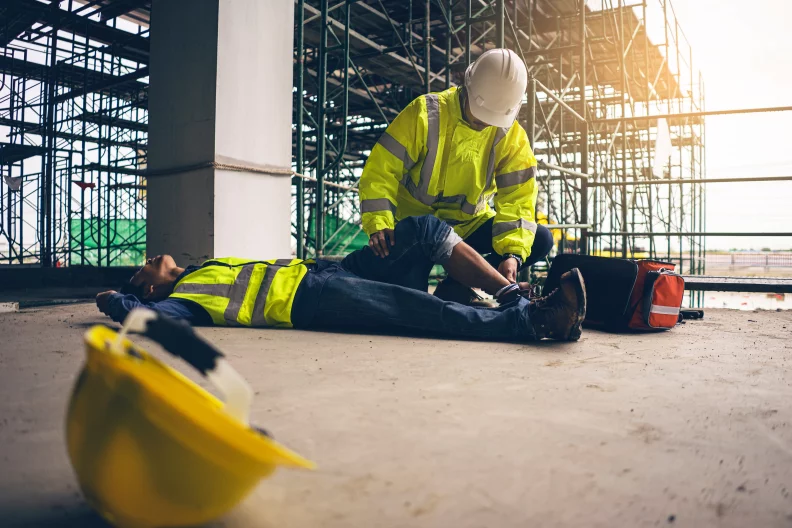
Address safety incidents promptly to prevent escalation and ensure the well-being of all individuals involved. When an incident occurs on a construction site, immediate action is crucial. First, secure the area to prevent further accidents. Then, assess the situation to determine the severity and extent of injuries or damages. Contact emergency services if needed and provide first aid to the injured while waiting for help to arrive.
Documenting the incident is essential for future reference. Record details such as the date, time, individuals involved, and what transpired. This information can aid in investigations and prevent similar incidents in the future.
After the immediate response, conduct a thorough review to identify the root cause of the incident. Implement corrective measures to address the issue and prevent its recurrence. Communicate openly with all stakeholders about the incident, the actions taken, and any changes made to improve safety protocols.
Enhancing Reputation Through Quality Work
Fostering a culture of excellence through consistent delivery of high-quality work elevates your reputation in the construction industry. By prioritizing quality in every project, you showcase your commitment to excellence and professionalism. Clients value reliability and attention to detail, and by consistently meeting or exceeding their expectations, you build trust and credibility. Quality work not only speaks for itself but also generates positive word-of-mouth referrals, enhancing your reputation further.
To enhance your reputation through quality work, focus on precision in every task. From the initial planning stages to the final touches, maintain a high standard of workmanship. Attention to detail sets you apart and demonstrates your dedication to delivering exceptional results. Additionally, actively seeking feedback from clients and incorporating lessons learned into future projects shows your commitment to continuous improvement. Embrace challenges as opportunities to showcase your skills and expertise, solidifying your reputation as a top-tier construction company.
Conclusion
In conclusion, prioritizing safety and quality in construction is essential for the success of projects. By adhering to regulations, implementing training programs, and maintaining quality control measures, you can avoid accidents, delays, and costly rework.
Using proper equipment, addressing incidents promptly, and ensuring compliance with standards won’t only enhance your reputation but also lead to the delivery of high-quality work that meets industry standards and client expectations.
Stay proactive and committed to safety and quality in all aspects of construction.